

How Culture Impacts Injuries and Shapes Success
During my second year of studying a Sports Science degree University of Pretoria, I was encountered with one of the toughest courses I ever took...Sport Injuries. After the first test, I scored the lowest mark I think I have ever scored in an examination- a grand 28%. The single person who passed that test scored a 50%.
What this course taught me was wroth more than the diagnosis and management of sports injuries only- it taught me about me and my own capabilities and limitations.
The Impact of Culture
Culture: the shared values, beliefs, behaviours, and norms that shape how people interact and operate within a group, organisation, or society.
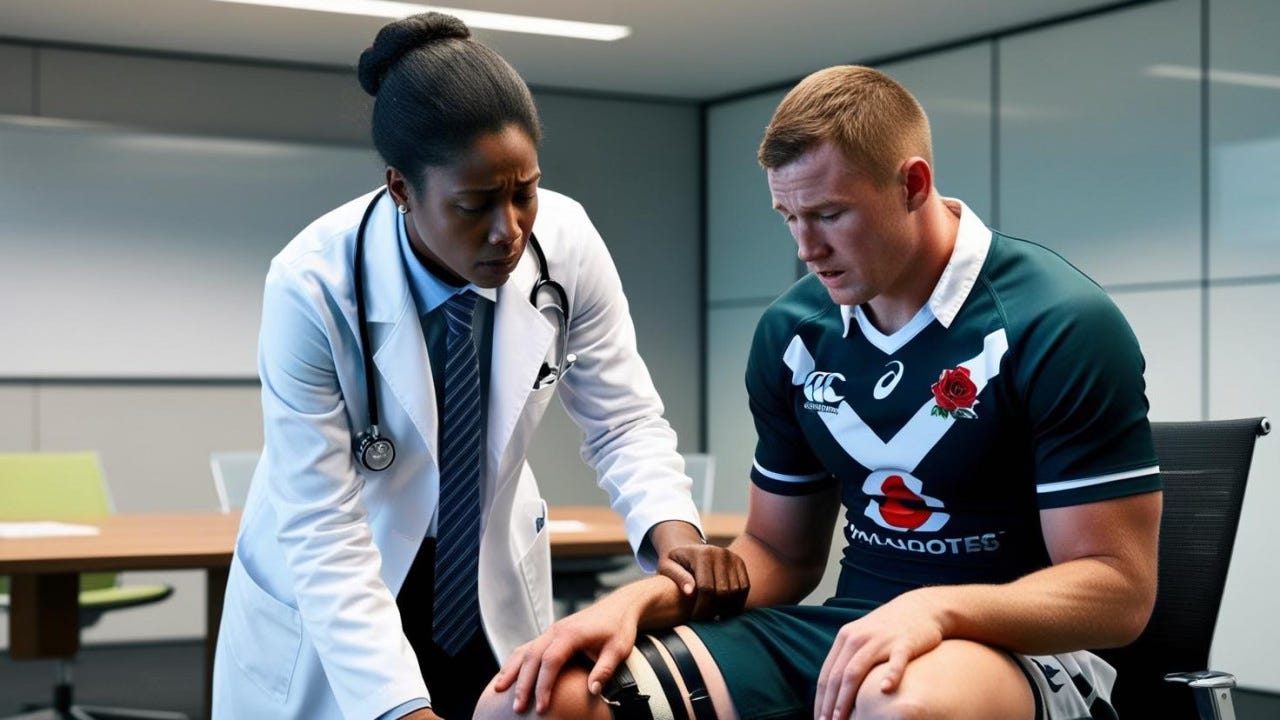
Years before, I started attending a sports crazy school, and for the most part, the king of the sports was Rugby. The culture that governed the sport at the time was brute strength, a tough stoic attitude and stubborn determination. One of the first stories I remember hearing about, of senior players, was a certain someone (name forgotten) who played the remainder of a rugby game with a broken arm.
Back then this was revered and celebrated by us younglings as true masculinity, strength and something to be admired and emulated. So much was this mentality engrained in me that when I suffered an injury (I suspect a minor dislocation of my clavicle/ collarbone), early in the game against a school called Taupo-nui-a-Tia College (New Zealand) I told no-one.
I soldiered on through the pain and finished the game. In my mind, was talk like “you have to be tough”, “I don’t want let my team down” etc. I am not sure how good a game I played that day. Part of me was afraid of what the coaches would say. Part of me was ashamed of what my team mates would think. So I kept quiet and continue in agony.
Years later when I played for the Blue Bulls, I encountered a new culture. Here, injuries were not tolerated. If there was anything bothersome, not matter how small, we were encouraged and expected to disclose it and seek help as early as possible. This was part of the service to the team...to maintain its most optimal strength and performance by fielding the fittest and best team on the day. A player who did not make the squad on the day forfeited the match fees, so this was a costly exercise to the individual, but the team was more important.
This was a new way of thinking and being.
In my recent book (and by recent, I mean first) Scrums and Strategy: Breaking the Line for Business Success, I write in one chapter about the parallels between sports injuries in rugby and corporate injuries in companies. While physical injuries in companies have always been acknowledged, emotional, mental, and psychological injuries caused by corporations are a newer and rapidly growing area of concern.
The legal system is slowly catching up, and companies that ignore this trend risk financial, reputational, and ethical consequences. In the following articles I will share with you some of the insights regarding injuries that organisations would do well to think on address.
Stay tuned...
Let me know your [constructive] thoughts.
Written without AI. All mistakes are original.
AZ